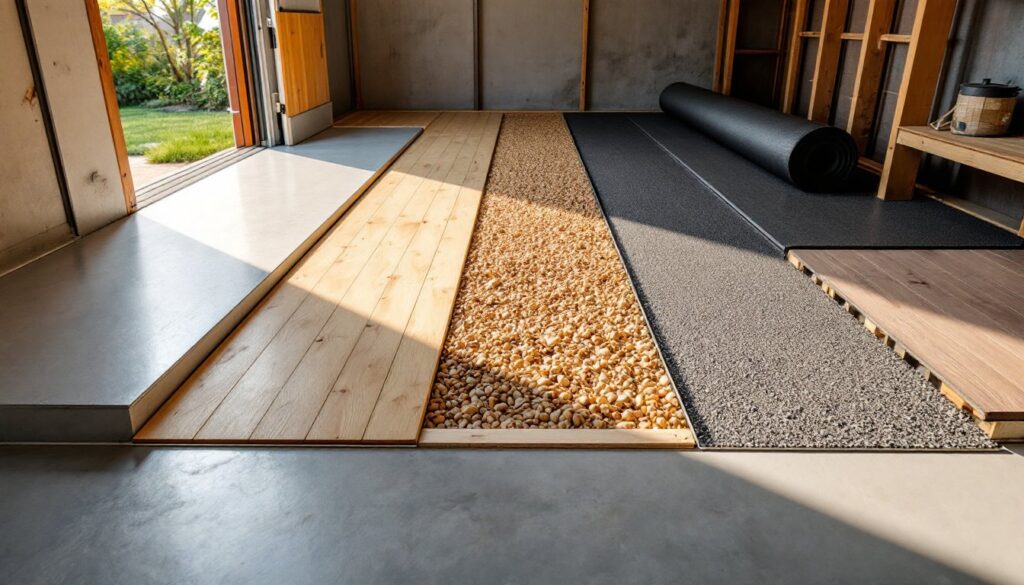
A shed is only as good as what it stands on. Whether you’re storing tools, equipment, or creating workspace, the flooring is the foundation that determines how long your structure lasts and how practical it is to use. A rotted or unstable floor forces costly repairs and limits what you can store safely. The right flooring choice depends on your shed’s purpose, your climate, and how much maintenance you’re willing to do. This guide walks through seven practical flooring options, from budget-friendly bases to durable long-term solutions, so you can pick the right fit for your shed project.
Table of Contents
ToggleKey Takeaways
- Concrete slab foundations are the most durable shed flooring option, requiring minimal maintenance and lasting decades with proper grading and sealing every 2–3 years.
- Pressure-treated wood flooring requires adequate ventilation, yearly inspections, and sealing every 2–3 years to prevent rot, but delivers warmth and a finished feel.
- Gravel and stone bases are the most affordable shed flooring solution at $25–40 per ton, though they settle over time and work best for seasonal sheds rather than year-round use.
- Rubber flooring for tool storage absorbs impact, reduces noise, and costs $1–3 per square foot, making it ideal for workshops but less practical for light storage areas.
- Composite decking offers a low-maintenance middle ground between wood and synthetic options, resisting rot and splinters over 15–20 years while costing $3–8 per square foot.
- Your shed flooring choice should balance purpose, climate, maintenance tolerance, and budget—concrete suits permanence, wood suits repairability, and gravel suits initial cost savings.
Concrete Slab Foundations
A concrete slab is the gold standard for shed flooring if you want durability and minimal upkeep. It won’t rot, harbor pests, or settle unevenly over time. For new construction, a 4-inch thick concrete slab with proper grading and drainage underneath stays stable for decades.
Before pouring, you’ll need to prep the subgrade. Compact the soil, add 4 inches of gravel base for drainage, and use a moisture barrier if groundwater is a concern in your area. Many builders use 2,000–3,000 PSI concrete for shed floors: a standard mix works fine for most storage applications. Finishing options range from a simple broom finish (improves traction) to a smooth steel trowel finish.
The main drawback is cost and the fact that you’ll likely need to hire a contractor or rent concrete equipment. Pouring and finishing correctly requires skill, mistakes lead to cracks and poor drainage. Once set, concrete is tough but not immune: it can crack in freeze-thaw cycles or spall if water sits on it. A coat of concrete sealer every 2–3 years helps prevent moisture damage, especially in cold climates.
If you already have a shed on gravel or a damaged wood floor, a concrete slab is a long-term investment worth considering, though it’s permanent and costly to replace.
Wood Plank Flooring
Wood flooring inside a shed offers warmth and a finished feel, but it requires careful material selection and maintenance. Not all wood holds up outdoors. Pressure-treated lumber is the standard choice because it resists rot and insect damage far longer than untreated wood.
Pressure-Treated Wood Benefits
Pressure-treated wood is infused with preservative chemicals (copper-based or alkaline copper quaternary) that protect against decay and termites. Modern pressure-treated lumber is safe to handle and use indoors: the old arsenic-based treatments are no longer used. For shed flooring, use lumber rated for ground contact, typically 2×6 or 2×8 joists spaced 16 inches on-center, set on concrete piers or blocks to keep them above soil.
The actual dimensions of pressure-treated lumber matter. A nominal 2×8 measures roughly 1.5 by 7.25 inches actual, a gap many DIYers overlook when calculating span and load capacity. Check local building codes or span tables to confirm your joist size works for your shed width and expected load (tool storage is light: heavy equipment racks need stronger support).
Wood flooring looks better than bare gravel and feels solid underfoot, but it demands yearly inspection. Look for soft spots, rust stains, or mold, especially in humid climates. Sealing the boards every 2–3 years extends life, though pressure-treated wood is already protected. The biggest risk is inadequate ventilation underneath, air circulation keeps moisture low and prevents rot. Leave vents in the shed walls or use jack stands rather than solid blocking under joists.
If you’re installing wood flooring in an existing shed, fine homebuilding covers foundation and floor framing for garden sheds with step-by-step methods that apply to retrofit work as well.
Gravel and Stone Base Layers
Gravel is the simplest, cheapest, and quickest shed flooring option. A 4–6 inch layer of compacted gravel or crushed stone creates a level, well-draining base that works in almost any climate. It’s also the easiest to maintain, just rake and top up as material settles or washes away.
The trade-off is dust, mess, and eventual settling. Gravel shifts under foot traffic and equipment wheels, so you’ll need to level it periodically. In very wet climates, gravel alone can feel muddy or unstable. Better practice is to use a gravel layer under a wooden floor or concrete pad rather than as the final surface. If you must use gravel alone, edge it with boards or landscape timbers to contain the material and create a defined floor.
For small sheds used seasonally, gravel is fine. For year-round storage or heavy use, it’s a placeholder solution. The material is cheap, typically $25–40 per ton, but you’ll spend time maintaining it. Dust control can be tricky: some builders add a light coat of stone dust or crusher fines on top to bind the gravel, which helps but isn’t permanent.
Rubber Flooring for Tool Storage
Rubber mats or rolled rubber flooring are gaining popularity in sheds used for workshops or heavy tool storage. Recycled rubber flooring absorbs impact, reduces noise, and protects both tools and floors. It’s commonly seen in garage gyms and workshop spaces.
Rubber tiles or rolls can be laid over gravel, concrete, or wood, making them a flexible retrofit option. They’re durable, resist moisture and temperature swings, and are easy to clean. A 3/8-inch thick mat provides decent cushioning: industrial-grade rubber runs thicker and costs more but lasts longer under repeated abuse.
The downsides: rubber flooring has an odor that fades over weeks but can be noticeable at first. It’s also a premium option, expect $1–3 per square foot installed, depending on thickness and quality. Over time, rubber can crack or curl at edges if not properly adhered and ventilated. In very hot climates, it softens slightly, though quality matting is designed to handle temperature variation.
Rubber works well if your shed is a working shop or storage for heavy equipment, where impact protection matters more than a polished look. It’s less practical if the shed doubles as a garden potting area or light storage space.
Composite and Recycled Decking
Composite decking materials, blends of plastic and wood fiber, offer a middle ground between wood and synthetic options. They don’t rot, splinter, or attract termites, yet they feel like wood underfoot. Many are made partly from recycled materials, appealing to eco-conscious builders.
Composite decking for sheds typically runs $3–8 per square foot for materials. Installation is similar to wood: it spans between joists and can be fastened with stainless steel fasteners to prevent corrosion and staining. The material expands and contracts with temperature, so proper spacing during installation is important, check the manufacturer’s specs.
Composite decking is low-maintenance: you won’t seal or stain it, just sweep and rinse occasionally. Over 15–20 years, it outperforms wood in wet climates. The trade-offs are cost (higher upfront than pressure-treated wood) and appearance, some find it plastic-looking, though newer products improve in aesthetics.
For a shed that’ll see moderate to heavy use and you want low maintenance, composite is a smart upgrade. It’s overkill for seasonal storage sheds but ideal for workshop spaces or backyard structures that are visible from the house and deserve a finished look. Brands vary widely in durability: mid-range products are often the sweet spot between cost and longevity.
Conclusion
Your shed flooring choice shapes how usable and long-lasting your structure is. Concrete slabs offer permanence and minimal upkeep: wood delivers warmth and is repairable: gravel is budget-friendly but needs tending. Rubber suits workshops: composite bridges the gap between function and aesthetics. Evaluate your shed’s purpose, your climate, and your tolerance for maintenance, then pick the option that fits. A solid floor means your shed stays dry, stable, and ready to work for decades.