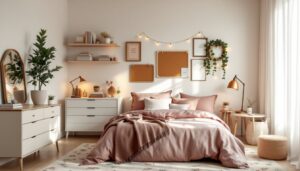
A toddler’s bedroom should be more than just a place to sleep, it’s his sanctuary for learning, playing, and growing. Whether you’re starting from scratch or refreshing an existing toddler bedroom, the right design choices make the space feel inviting while keeping safety and functionality at the forefront. This guide walks you through practical toddler bedroom ideas that work for active little ones, from calming color schemes to clever storage solutions and budget-friendly DIY projects. You don’t need a designer’s budget or carpentry skills to create a room your son will love.
Table of Contents
ToggleKey Takeaways
- A toddler bedroom should combine soft, calming color schemes like sage green and warm gray with strategic accent walls in navy or forest green to create a space that supports both sleep and imagination.
- Smart furniture choices—including low-profile beds, anchored dressers, and neutral wood or white frames—grow with your child and avoid costly replacements as he ages.
- Vertical storage solutions like wall-mounted shelves, labeled bins, and pegboards keep toddler bedroom spaces organized, safe, and visually clear without requiring major renovations.
- Proper lighting with dimmers, warm white bulbs at 2700K, and soft nightlights support healthy sleep while motion-activated options provide safe nighttime navigation.
- DIY toddler bedroom projects like accent wall painting, fabric canopies, and removable wall decals deliver personalization for under $50 without professional costs or permanent commitment.
Color Schemes That Inspire Growth and Comfort
Color sets the mood for your toddler’s room and influences how he feels when playing or winding down for bed. Soft, warm neutrals like sage green, warm gray, and soft taupe create a calming foundation that works as he grows. If your son loves bold colors, consider painting one accent wall in navy, forest green, or warm terracotta while keeping other walls neutral. This gives personality without overstimulation at bedtime.
Pastel shades, soft blue, pale yellow, or light peach, work well for toddlers because they’re soothing without feeling babyish. Avoid bright neon or highly saturated colors if sleep quality matters: cooler tones like blue and green naturally promote relaxation. Pair your main wall color with white or cream trim to keep the space feeling bright and open, especially in smaller rooms.
Consider using paint that’s wipeable or scrubbable (brands like Sherwin-Williams Duration or Benjamin Moore Aura resist stains). One coat of quality primer followed by two coats of paint ensures even coverage and durability. If you’re renting or want flexibility, peel-and-stick wallpaper in soft patterns (clouds, stars, or simple geometric designs) offers color without permanent commitment.
Theme-Based Room Designs That Capture His Imagination
A cohesive theme helps your toddler’s imagination while keeping the design manageable. Popular themes include space explorers, dinosaurs, animals, construction, and adventure, but keep decorating simple and age-appropriate.
For a space theme, use a dark navy or charcoal base with white star decals, a moon nightlight, and bedding with planets. Add a simple tent or canopy using a wooden dowel and white fabric as a “rocket ship” sleeping nook.
For a nature or animal theme, soft woodland colors (greens, browns, creams) with removable wall decals of trees, foxes, or bears create a cozy den feel. A low, open shelving unit styled like a tree house displays his favorite books and toys.
For a construction or vehicles theme, use bright primary colors (red, blue, yellow) on one accent wall, then pair with white or light gray elsewhere. Display toy trucks on open shelves and use bedding with construction vehicles.
The key is avoiding overly complex murals or permanent theme elements that won’t age well. IKEA KURA bed hacks for kids’ rooms demonstrate how a single furniture piece can be transformed with removable details, a painted frame, fabric panels, or stick-on decals, to suit any theme without commitment. This approach lets you refresh the room as his interests evolve without major expense.
Furniture Choices That Grow With Your Child
Smart furniture choices mean you’re not replacing everything in three years. A sturdy, well-made bed frame (wood or metal) in neutral white, natural wood, or soft gray will transition from toddler to teen. Look for frames rated for at least 250 pounds even for a small child: quality construction pays off in durability.
Choose a low-profile toddler bed or a twin bed with a guardrail rather than a crib. This gives him independence while keeping him safe. If budget allows, a quality hardwood bed (pine, oak, or birch) costs more upfront but lasts decades. Particleboard beds save money initially but may not withstand rough toddler use.
For dressers, look for pieces with drawers labeled by size (toddler clothes are small). Open shelving units with bins work better than closed cabinets because you can see contents at a glance. A 24-inch-high dresser is a good height for a growing child to help put clothes away.
Avoid furniture with sharp corners or tipping risks. All dressers, shelving, and bookcases should be anchored to the wall with brackets or straps (typically 2-inch steel L-brackets and lag bolts) to prevent tipping if your toddler climbs. This is safety, not optional.
Storage Solutions That Keep the Room Organized
A toddler’s room fills with toys, books, and clothes fast. Smart storage keeps surfaces clear, making the room safer and easier to clean.
Bin systems are your best friend. Clear plastic bins with snap lids (like standard 18-liter storage containers) let you see contents without opening them. Label bins with pictures and words: trucks, blocks, dolls, art supplies. Stack bins on open shelving or under the bed to maximize floor space.
Vertical storage is key in small rooms. Wall-mounted shelves (install with appropriate wall anchors or studs at 16-inch intervals) keep books, toys, and decor off the floor. A pegboard above a small work table gives your son a place to display artwork or hang toy storage bags.
For clothing, use drawer dividers or small bins inside larger drawers so he can find socks without scattering clothes everywhere. A low coat rack or peg board at 3-foot height lets him hang his own jacket.
Keep frequently used items (favorite books, current toys) in easy reach. Rotate toys quarterly, store extras in a closet bin, to reduce visual clutter and keep playtime fresh. Don’t over-rotate: toddlers like familiar favorites. Budget home renovation tips show how simple storage upgrades and organization systems transform rooms without major renovation costs.
Lighting and Ambiance for Safety and Sleep
Proper lighting supports safety and healthy sleep. Layer your lighting: a bright overhead fixture for daytime play and cleaning, a softer bedside option for nighttime, and a dim nightlight for navigation.
For overhead lighting, choose a fixture with a dimmer switch so you can adjust brightness for play versus bedtime. Frosted or diffused shades prevent harsh glare. Avoid bright blue-white bulbs (they suppress melatonin): instead use warm white bulbs rated 2700K Kelvin color temperature for evening and bedtime.
A small bedside lamp with a 3-way bulb or a smart bulb lets you choose brightness. Make sure it’s mounted securely on a nightstand or wall-mounted to prevent tipping if your toddler pulls on the cord.
For nighttime, a soft amber or warm white night light rated at 4 watts or less provides enough light to navigate without stimulating wakefulness. Motion-activated options help him find you in the dark without keeping the light on all night.
Cord safety is essential. Secure all cords behind furniture or use cord covers so your son can’t tangle them around his neck. Lamp bases should be weighted and stable: never hang lights where he could pull them down. Use tamper-proof outlet covers on all outlets.
Consider blackout curtains (they block 95% of light) if outside light disrupts naps. Pair them with sheer daytime curtains for flexibility.
Budget-Friendly DIY Decor Projects
You don’t need a contractor to add personality. Several simple DIY projects transform a plain room affordably.
Paint an accent wall. Choose one wall and paint it a different color or soft pattern. Sand any rough spots with 120-grit sandpaper, apply primer, then two coats of paint. Let dry fully between coats (typically 4 hours). This takes a weekend and costs under $50 for supplies and paint.
Make a fabric canopy. Buy 2–3 yards of lightweight cotton fabric at a fabric store (approximately $6–10 per yard). Hang a dowel rod or tension rod above the bed using L-brackets, then drape and pin fabric. Your son gets a cozy “tent” feeling without building permanent structures.
Stencil or stick wall decals. Purchase removable wall decal sets (clouds, stars, animals) online for $10–20. No painting required: just peel and stick. They’re removable, so update the design as interests change.
Create artwork display. Frame his artwork in simple IKEA frames (cost around $5 each) and arrange in a gallery wall. Use command strips to hang frames without wall damage (rated for walls up to 1-pound capacity per strip).
DIY storage bins. Decorate plain cardboard boxes or plastic bins with kraft paper, paint, or fabric tape to match your room’s color scheme. Label them clearly.
Sew simple curtains. Basic curtains are straightforward: measure your window width and height, add 6 inches to width and 8 inches to length, cut fabric, fold and sew a 1-inch hem on sides, and attach a rod pocket sleeve at the top. Small space design and budget makeovers showcase creative ways to refresh rooms without expensive renovations.
Conclusion
A thoughtful toddler bedroom balances comfort, safety, and personality. Start with a neutral color base, add a simple theme if desired, invest in durable furniture, and organize smartly. Small DIY projects, fresh paint, fabric draping, and wall decals, deliver big impact without professional costs. As your son grows, the neutral foundation and flexible storage let you easily update colors, themes, and decor. The best toddler bedroom is one that works for him now and adapts as he changes.