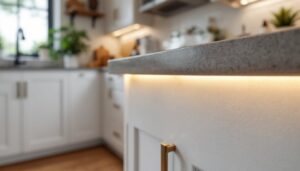
A home renovation ideas guide can help homeowners turn outdated spaces into modern, functional areas. Whether the goal is increasing property value or simply creating a more comfortable living environment, smart renovations make a real difference. This guide covers practical strategies for kitchens, bathrooms, living areas, and bedrooms. It also includes budget-friendly tips that deliver results without very costly. From planning the project to choosing the right upgrades, these home renovation ideas will help anyone transform their space with style and purpose.
Table of Contents
ToggleKey Takeaways
- A solid home renovation ideas guide starts with clear goals, a realistic budget (plus 10-20% for surprises), and a prioritized project list.
- Kitchens and bathrooms offer the highest return on investment, with minor kitchen remodels recouping roughly 80% of costs at resale.
- Budget-friendly updates like painting cabinets, swapping hardware, and upgrading light fixtures create big visual impact without major expense.
- DIY projects such as painting and installing shelving save labor costs, but electrical, plumbing, and structural work should always go to licensed professionals.
- Phasing renovations over time helps spread costs and allows homeowners to save between projects without taking on debt.
Planning Your Home Renovation Project
Every successful home renovation starts with solid planning. Homeowners should first define their goals. Are they renovating to sell, or do they want to enjoy the space for years to come? This answer shapes every decision that follows.
Setting a realistic budget is the next critical step. Experts recommend adding 10-20% to any estimate for unexpected costs. Surprises happen, hidden water damage, outdated wiring, or structural issues can appear once walls come down.
Prioritizing projects helps stretch renovation dollars further. High-impact areas like kitchens and bathrooms typically offer the best return on investment. But, if the roof leaks or the HVAC system fails, those functional repairs must come first.
Creating a timeline keeps the project on track. Some renovations take weeks: others require months. Homeowners should factor in permit applications, contractor schedules, and material lead times. Ordering custom cabinets? That could add six to eight weeks.
Hiring the right professionals matters too. Getting multiple quotes, checking references, and verifying licenses protects against costly mistakes. A home renovation ideas guide is only useful if the execution matches the vision.
Top Kitchen Renovation Ideas
Kitchens sell houses. That’s the common wisdom, and data backs it up. A minor kitchen remodel recoups roughly 80% of its cost at resale, according to industry reports.
Cabinet updates offer one of the fastest transformations. Replacing old cabinets gets expensive, but refinishing or painting existing ones costs a fraction of the price. Adding new hardware, pulls, knobs, hinges, freshens the look for under $200.
Countertops define a kitchen’s personality. Quartz remains popular for its durability and low maintenance. Butcher block adds warmth to traditional spaces. Concrete suits industrial aesthetics. Each material fits different lifestyles and budgets.
Lighting deserves serious attention in any kitchen renovation. Layered lighting works best: ambient ceiling fixtures, task lighting under cabinets, and accent lights above islands or dining areas. Swapping outdated fluorescent panels for recessed LED lights instantly modernizes any kitchen.
Open shelving has gained popularity, though it’s not for everyone. It forces homeowners to stay organized and display only attractive items. Those who prefer hiding clutter should stick with closed cabinets.
Appliance upgrades complete the picture. Energy-efficient models save money over time. Stainless steel still dominates, but matte black and slate finishes are gaining ground. Smart appliances, refrigerators with touchscreens, ovens controlled by phone, appeal to tech-forward households.
Bathroom Upgrades That Add Value
Bathrooms rank second only to kitchens for renovation ROI. Small improvements here create big impressions on future buyers.
Updating fixtures is the easiest starting point. New faucets, showerheads, and towel bars cost relatively little but look polished. Brushed nickel, matte black, and gold finishes all work depending on the design direction.
Vanities anchor bathroom design. Floating vanities create a sense of space in smaller rooms. Double vanities suit primary bathrooms where two people share. Vessel sinks make bold statements: undermount sinks stay practical and easy to clean.
Tile choices set the mood. Large-format tiles reduce grout lines and make bathrooms appear bigger. Subway tiles remain timeless. Patterned floor tiles add personality without overwhelming the space.
Walk-in showers have replaced tubs in many modern renovations. They offer accessibility benefits and a sleek aesthetic. Frameless glass enclosures maximize light and visual space. But, homes with young children often benefit from keeping at least one bathtub.
Storage solutions prevent clutter. Medicine cabinets, built-in niches in showers, and vanity organizers keep essentials accessible. Nothing kills a bathroom’s appeal faster than toiletries scattered across every surface.
Proper ventilation protects against mold and moisture damage. Upgrading to a quality exhaust fan with a humidity sensor is a small investment that prevents expensive problems down the road.
Living Space and Bedroom Improvements
Living rooms and bedrooms shape daily comfort. These spaces deserve thoughtful renovation attention even if they don’t grab headlines like kitchens.
Flooring upgrades transform entire rooms. Hardwood floors add lasting value and appeal to most buyers. Luxury vinyl plank (LVP) offers a budget-friendly alternative that handles moisture and heavy traffic well. Carpet still makes sense in bedrooms for warmth and sound absorption.
Paint delivers the highest impact per dollar of any home renovation. Fresh, neutral colors appeal to broad audiences. Bold accent walls work in personal spaces but might need repainting before selling.
Built-in storage solves organizational challenges. Custom closet systems maximize bedroom utility. Built-in bookshelves and entertainment centers give living rooms a finished, intentional look.
Lighting upgrades apply here too. Dimmer switches allow mood adjustments. Ceiling fans with integrated lights serve dual purposes in bedrooms. Statement chandeliers or pendant fixtures become focal points in living areas.
Window treatments affect both aesthetics and energy efficiency. Plantation shutters, Roman shades, and blackout curtains each serve different needs. The right choice depends on natural light, privacy requirements, and style preferences.
Creating defined zones helps open floor plans feel organized. Area rugs, furniture arrangement, and lighting can separate a living room from a dining area without walls.
Budget-Friendly Renovation Tips
Not every home renovation requires a massive budget. Smart homeowners find ways to stretch their dollars without sacrificing quality.
DIY projects save labor costs. Painting, installing shelving, and updating hardware are accessible tasks for most people. YouTube tutorials and home improvement forums provide step-by-step guidance.
Shopping smart cuts material costs. Habitat for Humanity ReStores, architectural salvage shops, and online marketplaces sell quality materials at discounted prices. End-of-run and floor-model items at big-box stores offer similar savings.
Timing purchases strategically helps too. Holiday weekends often feature major appliance sales. End-of-season deals apply to outdoor items and certain building materials.
Refurbishing beats replacing when possible. Bathtub refinishing costs far less than replacement. Refinishing hardwood floors restores their beauty without the expense of new installation.
Focusing on cosmetic changes creates visual impact quickly. New light fixtures, updated outlet covers, fresh caulk around tubs, and modern door handles all cost little but signal attention to detail.
Knowing when to hire professionals prevents costly mistakes. Electrical work, plumbing, and structural changes require licensed contractors in most areas. Cutting corners on these tasks risks safety and code violations.
Phasing renovations over time spreads costs. Tackling one room or project at a time allows homeowners to save between phases and avoid financing charges.