Home renovation ideas can breathe new life into any property. Whether someone wants to update a single room or overhaul an entire house, the right changes add value, comfort, and style. A well-planned renovation improves daily living while boosting resale potential.
This guide covers practical home renovation ideas for every area of the house. From kitchen upgrades to outdoor improvements, homeowners will find inspiration to create spaces they love. The best part? Many of these projects fit various budgets and skill levels.
Table of Contents
ToggleKey Takeaways
- Home renovation ideas for kitchens and bathrooms deliver the highest return on investment, making them the best places to focus your budget.
- Simple updates like painting cabinets, swapping hardware, and installing new lighting can modernize spaces without major construction costs.
- Outdoor improvements such as a new front door, landscaping, and garage door replacement significantly boost curb appeal and property value.
- DIY-friendly projects like painting, backsplash installation, and basic landscaping help stretch renovation budgets effectively.
- Phasing renovations over time reduces financial strain while allowing homeowners to prioritize high-impact areas first.
- Investing in quality materials and energy-efficient upgrades saves money long-term through lower utility bills and fewer replacements.
Kitchen Upgrades That Make a Difference
The kitchen serves as the heart of most homes. Smart home renovation ideas here deliver significant returns on investment.
Cabinet Refresh
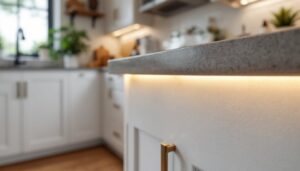
Replacing cabinets costs thousands of dollars. A smarter approach involves painting existing cabinets or swapping out hardware. New handles, pulls, and hinges instantly modernize the look. White or gray tones remain popular choices for a clean, updated appearance.
Countertop Replacement
Countertops define a kitchen’s character. Quartz offers durability and low maintenance. Butcher block adds warmth at a lower price point. Granite remains a classic choice that appeals to buyers.
Lighting Improvements
Poor lighting makes any kitchen feel dated. Under-cabinet LED strips illuminate work surfaces. Pendant lights over islands create focal points. Recessed lighting brightens the entire space evenly.
Appliance Updates
Stainless steel appliances still dominate modern kitchens. Energy-efficient models reduce utility bills over time. Smart appliances add convenience with Wi-Fi connectivity and programmable features.
Backsplash Installation
A new backsplash transforms a kitchen without major construction. Subway tiles offer timeless appeal. Peel-and-stick options work well for DIY enthusiasts on tight budgets.
Bathroom Remodeling for Style and Function
Bathroom renovations rank among the most impactful home renovation ideas. These spaces see daily use and deserve attention.
Vanity Replacement
A new vanity changes the entire bathroom’s feel. Floating vanities create the illusion of more floor space. Double sinks add functionality for shared bathrooms.
Tile Work
Floor and wall tiles set the bathroom’s mood. Large-format tiles reduce grout lines and simplify cleaning. Patterned tiles on floors add personality without overwhelming small spaces.
Fixture Upgrades
Swapping faucets, showerheads, and towel bars costs little but delivers noticeable results. Matte black and brushed gold finishes currently trend upward. Low-flow fixtures conserve water and lower bills.
Storage Solutions
Bathrooms often lack adequate storage. Recessed medicine cabinets maximize wall space. Over-toilet shelving units add storage without requiring floor space. Built-in niches in showers eliminate the need for hanging caddies.
Living Room and Bedroom Refreshes
Living rooms and bedrooms benefit from home renovation ideas that enhance comfort and aesthetics.
Paint and Accent Walls
Fresh paint remains the most cost-effective renovation. Neutral tones appeal broadly, while bold accent walls add character. Textured wallpaper creates visual interest without permanent commitment.
Flooring Changes
Hardwood floors increase home value consistently. Luxury vinyl plank mimics wood at lower costs and handles moisture better. Area rugs define spaces and add warmth to hard surfaces.
Built-In Features
Built-in bookshelves and window seats maximize space. Entertainment centers with integrated storage reduce clutter. These features appeal strongly to buyers during resale.
Window Treatments
New curtains or blinds update rooms quickly. Blackout options improve sleep quality in bedrooms. Sheer panels filter light beautifully in living areas.
Ceiling Details
Ceilings often get overlooked in home renovation ideas. Crown molding adds elegance. Coffered ceilings create architectural interest. Even a fresh coat of white paint brightens the entire room.
Outdoor and Curb Appeal Improvements
First impressions matter. Outdoor home renovation ideas boost property value and neighborhood appeal.
Front Door Upgrade
A new front door offers one of the highest returns on investment. Bold colors like red, blue, or black stand out. Smart locks add security and convenience.
Landscaping Updates
Well-maintained landscaping signals a cared-for property. Native plants require less water and maintenance. Defined flower beds and fresh mulch create polished looks.
Outdoor Living Spaces
Decks and patios extend usable square footage. Composite decking outlasts wood and requires minimal upkeep. String lights and outdoor furniture create inviting entertainment areas.
Exterior Painting
Faded siding ages a home visually. Fresh exterior paint or updated siding materials transform the entire property. Coordinating trim colors complete the look.
Garage Door Replacement
Garage doors occupy significant visual space on most homes. Modern styles with windows and updated hardware dramatically improve appearance. This renovation consistently ranks among top value-adding projects.
Budget-Friendly Renovation Tips
Quality home renovation ideas don’t require unlimited funds. Strategic planning stretches every dollar.
Prioritize High-Impact Areas
Kitchens and bathrooms deliver the best returns. Focus resources here before tackling cosmetic changes elsewhere. Even small updates in these rooms outperform major changes in secondary spaces.
DIY Where Possible
Painting, hardware installation, and basic landscaping suit most skill levels. YouTube tutorials guide homeowners through many projects. Save professional contractors for electrical, plumbing, and structural work.
Shop Smart
Habitat for Humanity ReStores sell donated building materials at deep discounts. End-of-season sales offer bargains on outdoor items. Remnant countertops and discontinued tiles cost far less than custom orders.
Phase Projects Over Time
Large renovations don’t require completion all at once. Spreading projects over months or years reduces financial strain. This approach also allows homeowners to live with changes before committing to related updates.
Consider Long-Term Costs
Cheap materials often cost more over time through repairs and replacements. Energy-efficient upgrades pay for themselves through lower utility bills. Quality fixtures and finishes last longer and look better.