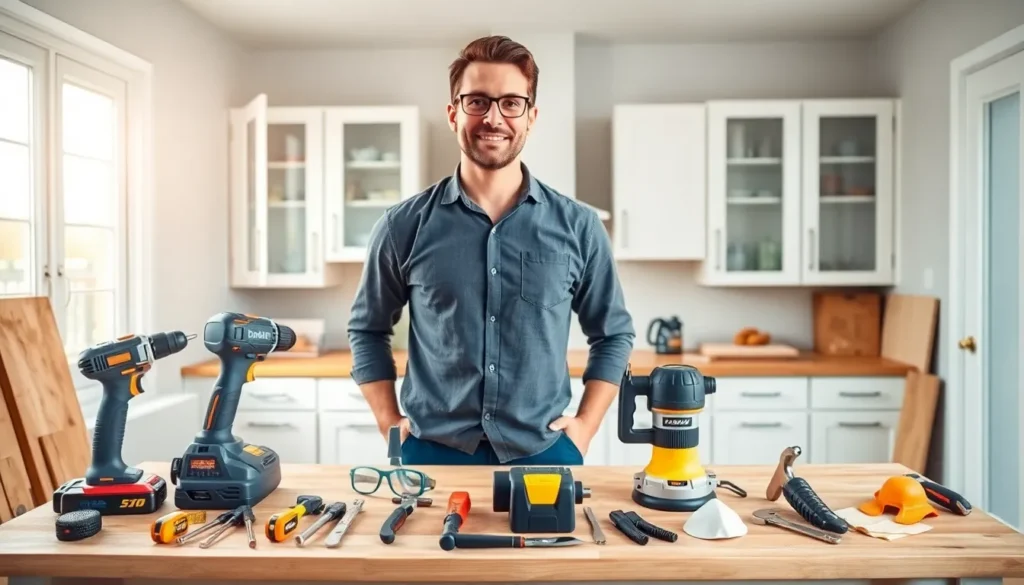
Home renovation ideas and tools can turn an outdated space into something functional and beautiful. Whether someone wants to update a kitchen, refresh a bathroom, or tackle a full home makeover, having the right equipment matters. The difference between a frustrating weekend project and a satisfying transformation often comes down to preparation.
This guide covers the essential power tools and hand tools every homeowner needs. It also explores budget-friendly renovation ideas that deliver real impact without draining savings accounts. From safety equipment to practical tips, readers will find everything they need to start their next DIY project with confidence.
Table of Contents
ToggleKey Takeaways
- Essential home renovation tools include cordless drills, circular saws, jigsaws, and orbital sanders for tackling most DIY projects efficiently.
- Budget-friendly home renovation ideas like painting, updating hardware, and installing vinyl plank flooring deliver dramatic results without major expenses.
- Hand tools such as tape measures, levels, and clamps are crucial for precision work that power tools can’t handle.
- Safety equipment—including safety glasses, hearing protection, and dust masks—is non-negotiable for any renovation project.
- Know your limits: structural changes, major electrical work, and gas line modifications should always be left to licensed professionals.
- Proper preparation and the right tools turn frustrating weekend projects into satisfying home transformations.
Must-Have Power Tools for Home Renovation
Power tools save time and energy on home renovation projects. They handle heavy-duty tasks that would take hours by hand. Here are the essential power tools every DIY enthusiast should consider.
Cordless Drill/Driver
A cordless drill sits at the top of any home renovation tools list. It drives screws, drills holes, and handles countless tasks around the house. Look for models with at least 18 volts for enough power to work with hardwood and metal. Lithium-ion batteries provide longer runtime and faster charging.
Circular Saw
Cutting lumber, plywood, and other sheet materials requires a circular saw. This tool makes straight cuts quickly and accurately. A 7 1/4-inch blade handles most home renovation tasks, from framing walls to building shelves.
Jigsaw
When projects call for curved cuts or detailed work, a jigsaw delivers. It cuts through wood, plastic, and thin metal with interchangeable blades. Homeowners use jigsaws for cutting sink openings in countertops, shaping trim, and creating decorative elements.
Orbital Sander
Sanding by hand takes forever. An orbital sander smooths surfaces in minutes, preparing them for paint or stain. The random orbit pattern prevents swirl marks on wood. This tool proves invaluable for refinishing furniture, prepping cabinets, and smoothing drywall repairs.
Reciprocating Saw
Demolition work demands a reciprocating saw. It cuts through wood, nails, pipes, and drywall during teardowns. Homeowners tackling home renovation projects that involve removing old structures will reach for this tool repeatedly.
Hand Tools Every Homeowner Should Own
Power tools get the glory, but hand tools do the precision work. A well-stocked toolbox makes home renovation ideas possible to execute properly.
Measuring and Marking Tools
Accurate measurements prevent costly mistakes. Every homeowner needs a 25-foot tape measure with a sturdy blade. A speed square helps mark straight lines and check angles. A 4-foot level ensures cabinets hang straight and floors slope correctly.
Hammers and Pry Bars
A 16-ounce claw hammer handles most framing and finish work. For demolition, a heavier framing hammer speeds things up. Pry bars in various sizes remove trim, pull nails, and separate joined materials without damage.
Screwdrivers and Pliers
Keep a set of Phillips and flathead screwdrivers in multiple sizes. Needle-nose pliers reach into tight spaces. Adjustable pliers grip pipes and fittings. Channel-lock pliers provide extra leverage for stubborn connections.
Utility Knife and Chisels
A sharp utility knife cuts drywall, opens packages, and scores materials. Wood chisels clean up joints and mortises. These simple home renovation tools make detailed work possible.
Clamps
Clamps hold materials in place while glue dries or while making cuts. Quick-grip clamps offer one-handed operation. Bar clamps span wider distances for larger projects. No home renovation toolkit is complete without at least four clamps.
Budget-Friendly Renovation Ideas to Transform Your Space
Great home renovation ideas don’t require huge budgets. Strategic updates create dramatic changes without major expenses.
Paint Everything
Paint delivers the highest impact per dollar spent. Fresh wall colors instantly update dated rooms. Painting kitchen cabinets costs a fraction of replacement. Even painting interior doors and trim makes spaces feel newer.
Update Hardware and Fixtures
Swapping cabinet knobs, drawer pulls, and door handles takes an afternoon. These small changes modernize kitchens and bathrooms quickly. Light fixtures also transform rooms, replace builder-grade options with statement pieces.
Install New Flooring
Vinyl plank flooring offers durability and style at reasonable prices. Many products feature click-lock installation that homeowners complete themselves. This home renovation idea works in kitchens, bathrooms, and living areas.
Add Crown Molding
Crown molding gives rooms an upscale appearance. Pre-cut corner blocks simplify installation for beginners. Paint the molding to match walls for a seamless look, or use a contrasting color for visual interest.
Create Open Shelving
Open shelves replace upper cabinets in kitchens or add storage anywhere. Floating shelf brackets hide from view, creating a clean appearance. This budget-friendly home renovation idea adds both function and style.
Refresh Bathroom Vanities
Repainting a vanity cabinet and adding new hardware costs under $100. New faucets complete the update. These simple changes make bathrooms feel renovated without full remodels.
Safety Equipment and Best Practices
Home renovation projects carry real risks. Proper safety equipment and smart practices prevent injuries.
Essential Safety Gear
Safety glasses protect eyes from flying debris during cutting and drilling. Hearing protection matters when using loud power tools, prolonged exposure causes permanent damage. Dust masks or respirators filter particles from sanding and demolition.
Work gloves protect hands from splinters, sharp edges, and rough materials. Steel-toed boots prevent crushing injuries from dropped materials. A hard hat makes sense during overhead demolition work.
Power Tool Safety
Read manuals before using unfamiliar tools. Keep blades and bits sharp, dull tools require more force and cause accidents. Unplug tools before changing blades or making adjustments. Never disable safety guards.
Secure workpieces with clamps before cutting. Let power tools reach full speed before contacting materials. Keep cords away from cutting paths.
Workspace Safety
Good lighting prevents accidents. Keep floors clear of debris and cords. Use sturdy ladders rated for body weight plus materials. Never stand on the top two rungs.
Turn off circuits before electrical work. Verify power is off with a voltage tester. Know the location of water shutoffs before plumbing projects.
When to Call Professionals
Some home renovation ideas require licensed contractors. Structural changes, major electrical work, and gas line modifications fall outside DIY territory. Permits ensure work meets building codes and maintains home value.