Home renovation ideas trends 2026 reflect a shift toward smarter, healthier, and more sustainable living. Homeowners want spaces that work harder, look better, and feel good to live in. This year brings fresh approaches to design that balance style with function. From eco-conscious materials to tech-forward upgrades, the trends shaping 2026 renovations offer something for every budget and lifestyle. Whether planning a full remodel or a simple refresh, these ideas will help create a home that meets modern demands while standing the test of time.
Table of Contents
ToggleKey Takeaways
- Home renovation ideas trends 2026 prioritize sustainability, with recycled materials, energy-efficient systems, and water conservation features leading the way.
- Multifunctional spaces like home offices with Murphy beds and garage conversions maximize square footage for modern lifestyles.
- Bold colors such as deep greens and warm terracotta replace minimalist white palettes, paired with natural materials like stone and wood for warmth.
- Smart home technology now integrates seamlessly into renovations, offering whole-home automation for lighting, climate, security, and energy management.
- Wellness-focused upgrades—including spa-like bathrooms, air filtration systems, and natural lighting—help homeowners support their physical and mental health.
- Outdoor living spaces like covered patios and outdoor kitchens expand usable area while connecting residents with nature at lower costs than indoor construction.
Sustainable and Eco-Friendly Design
Sustainability remains a top priority in home renovation ideas trends 2026. Homeowners are choosing materials and systems that reduce environmental impact without sacrificing style.
Recycled and reclaimed materials lead this movement. Reclaimed wood flooring, recycled glass countertops, and salvaged metal fixtures add character while keeping waste out of landfills. These materials often cost less than new alternatives and bring unique visual appeal to any room.
Energy efficiency drives many renovation decisions. Solar panels, high-performance windows, and improved insulation help homeowners cut utility bills and shrink their carbon footprint. Heat pump systems have become especially popular as they provide both heating and cooling with remarkable efficiency.
Water conservation features are also gaining attention. Low-flow fixtures, rainwater harvesting systems, and drought-resistant landscaping help reduce water usage. Greywater recycling systems, which reuse water from sinks and showers for irrigation, are moving from luxury to mainstream.
Natural and non-toxic finishes round out the eco-friendly approach. Zero-VOC paints, natural stone sealers, and plant-based adhesives improve indoor air quality. These choices protect both the environment and the health of everyone in the home.
Multifunctional Living Spaces
Flexible rooms top the list of home renovation ideas trends 2026. People need spaces that adapt to different activities throughout the day.
The home office has evolved beyond a simple desk in the corner. Built-in Murphy beds with integrated desks allow a room to serve as both workspace and guest bedroom. Sliding walls and pocket doors create instant separation when privacy is needed, then open up for larger gatherings.
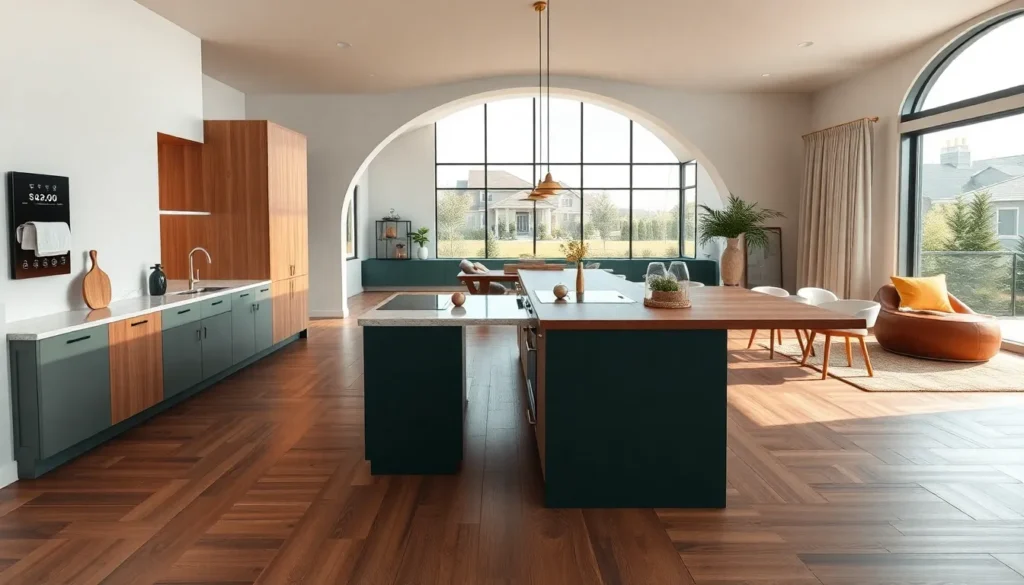
Kitchens continue expanding their role as gathering hubs. Large islands now include built-in seating, charging stations, and hidden storage. Some homeowners add prep sinks on the island specifically for kids to help with cooking or for casual entertaining.
Garage conversions represent one of the fastest-growing renovation categories. These spaces become home gyms, recording studios, workshops, or accessory dwelling units for rental income or aging parents. Proper insulation, climate control, and flooring transform a basic garage into comfortable living space.
Storage solutions have gotten smarter too. Custom cabinetry with pull-out shelves, under-stair drawers, and ceiling-mounted racks maximize every square foot. The goal is clear: make rooms do double or triple duty without feeling cramped.
Bold Colors and Natural Materials
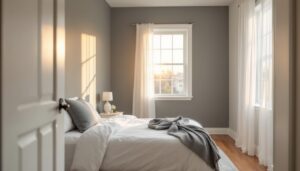
Color makes a strong comeback in home renovation ideas trends 2026. The all-white, minimalist look is giving way to richer, more expressive palettes.
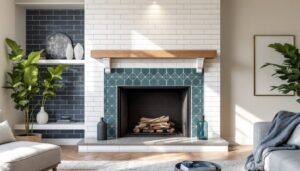
Deep greens, warm terracotta, and moody blues dominate wall colors and cabinetry choices. These saturated hues create depth and personality in spaces that felt sterile before. Many homeowners choose one bold accent wall rather than painting entire rooms.
Natural materials balance these strong colors. Stone, wood, and clay bring organic texture that softens dramatic color choices. Travertine tile, oak beams, and limewash finishes add warmth and visual interest.
Curved shapes replace sharp angles throughout the home. Arched doorways, rounded furniture, and oval mirrors create softer, more inviting spaces. This shift reflects a desire for comfort and organic flow in daily living.
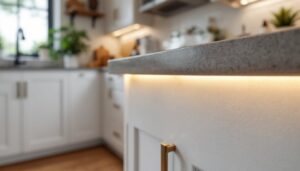
Mixed metals add dimension to kitchens and bathrooms. Combining brass, black iron, and brushed nickel in the same room creates layered looks that feel collected over time. This approach moves away from matchy-matchy hardware toward more curated aesthetics.
Textile choices follow similar patterns. Bouclé upholstery, linen curtains, and handwoven rugs add tactile variety. These materials invite touch and make rooms feel lived-in rather than staged.
Smart Home Technology Integration
Technology integration defines many home renovation ideas trends 2026. Smart systems now blend seamlessly into home design rather than standing out as obvious additions.
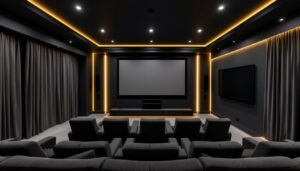
Whole-home automation ties lighting, climate, security, and entertainment into single control systems. Voice commands and smartphone apps make adjustments simple. The best installations hide wiring and devices behind walls, in ceilings, and within furniture.
Energy management systems track and optimize power usage in real time. Smart thermostats learn household patterns and adjust temperatures automatically. Some systems integrate with solar panels and battery storage to manage energy flow throughout the day.
Security upgrades include video doorbells, smart locks, and motion-activated cameras that connect to mobile devices. These systems provide peace of mind whether homeowners are across town or across the country.
Kitchen technology has advanced significantly. Induction cooktops, smart refrigerators that track contents, and touchless faucets improve both efficiency and hygiene. Built-in tablet mounts and charging drawers keep devices powered and accessible during meal prep.
Aging-in-place technology helps homeowners stay comfortable longer. Motion-sensor lighting, medical alert integration, and voice-controlled fixtures support independence as needs change over time.
Wellness-Focused Renovations
Health and comfort drive significant home renovation ideas trends 2026. People want homes that actively support their physical and mental well-being.
Bathrooms have transformed into spa-like retreats. Steam showers, soaking tubs, and heated floors create daily opportunities for relaxation. Chromotherapy lighting and built-in speakers add sensory elements that enhance the experience.
Air quality improvements rank high among renovation priorities. Whole-house air filtration systems, humidity controls, and enhanced ventilation reduce allergens and pollutants. These upgrades matter especially in areas affected by wildfire smoke or high pollen counts.
Natural light remains essential to wellness-focused design. Larger windows, skylights, and light tubes bring daylight deeper into homes. Circadian lighting systems adjust color temperature throughout the day to support natural sleep patterns.
Dedicated fitness spaces continue gaining popularity. Home gyms range from simple yoga corners to fully equipped workout rooms with rubber flooring, mirrors, and sound systems. Even small homes find space for compact equipment and stretching areas.
Outdoor living extensions blur the line between inside and out. Covered patios, outdoor kitchens, and screened porches expand usable space while connecting residents with nature. These additions often cost less per square foot than indoor construction while dramatically increasing enjoyment of the property.