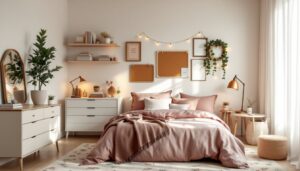
Mobile home living rooms come with unique constraints, tight square footage, lower ceilings, and fixed wall layouts. But those limitations don’t mean settling for cramped, dated spaces. The right design choices can open up your mobile home living room, make it feel larger, and create a space where you actually want to spend time. This guide walks through practical strategies for maximizing every inch, from furniture selection to lighting and storage, without requiring major renovations or very costly. Whether you’re refreshing a rental or permanently upgrading your own space, these ideas deliver real transformation.
Table of Contents
ToggleKey Takeaways
- Mobile home living room design thrives on multi-functional furniture—storage ottomans, sofa beds, and nesting tables—that maximize limited square footage without major renovations.
- Light neutral paint colors and strategic accent walls expand perceived space by up to 20%, while coordinated color palettes with warm textiles prevent sterile, cramped feelings.
- Layered lighting (ambient, task, and accent) transforms mobile home living rooms more dramatically than any single change and eliminates harsh shadows from fixed overhead fixtures alone.
- Vertical storage solutions—floating shelves, wall-mounted cabinets, and tall bookcases—keep clutter hidden while maintaining an open, intentional aesthetic.
- Area rugs and furniture placement create distinct functional zones for seating, entertainment, and reading without requiring walls, making tight spaces feel organized and purposeful.
- Budget-friendly updates like fresh paint ($200), new textiles ($100), and thrift-store furniture (50–70% off) deliver dramatic transformation in mobile home living rooms without costly renovations.
Maximize Space With Multi-Functional Furniture
In a mobile home, every piece of furniture has to earn its place. Multi-functional pieces aren’t a luxury, they’re a strategy. A storage ottoman replaces a regular coffee table while hiding blankets, magazines, or remote controls inside. Sofa beds or sectionals with built-in storage let you host guests and stash items without expanding your footprint.
Look for nesting tables that stack when not in use, console tables that double as desks, and entertainment units with shelving built in. Wall-mounted desks or fold-down tables provide workspace without consuming floor area. The key is choosing pieces that anchor the room visually while delivering function.
When selecting a sofa or seating group, measure carefully. Mobile homes typically have narrower doorways and hallways, confirm items fit before buying. Consider a sectional sized for your exact footprint rather than oversized pieces that eat the room. Light-colored or modular seating options also create visual breathing room, making tight spaces feel less cluttered.
Choose the Right Color Palette for Visual Expansion
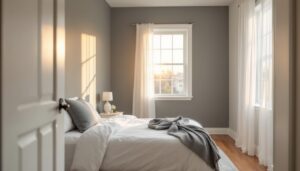
Paint color and wall treatments set the tone for perceived space. Light neutrals, soft grays, warm whites, pale beiges, reflect light and push walls back visually. A mobile home living room painted in these tones feels 20% larger than the same room in dark colors, even with identical furniture.
Accent walls work, but in tight spaces, save them for a feature wall behind a media area or one side of a short wall. Avoid painting all walls a bold color: instead, use two or three coordinated tones. A slightly deeper shade on the ceiling brings it down cozily without making the room feel smaller. Many designer ideas also include white or cream-colored trim to separate walls and add crisp definition.
Throwing in one warm color, mustard yellow, rust, or muted teal, through textiles, decor, or artwork prevents the space from feeling sterile. These accents anchor the room and add personality without overwhelming a tight footprint. Patterns (small geometric prints, stripes) add interest without the visual heaviness of large bold patterns that crowd small spaces.
Lighting Solutions That Brighten and Define Your Space
Lighting transforms mobile home living rooms more dramatically than almost any other single change. Fixed overhead fixtures alone are rarely enough, they create harsh shadows and don’t layer the space. Combine overhead ambient light with task lighting and accent lighting for depth and functionality.
Wall sconces flank a sofa or accent wall without requiring floor space. Floor lamps in corners lift the eye upward and brighten dark areas. Table lamps on side tables add warmth and definition. For smaller rooms, clip-on lamps or wall-mounted reading lights save table space while keeping focused light where you need it.
Consider the mobile home’s ceiling height when choosing fixtures. Flush-mount or semi-flush ceiling fixtures work better than hanging chandeliers that drop too low. LED bulbs run cooler and last longer, reducing heat buildup, important in mobile homes with limited HVAC. Dimmer switches give you flexibility, letting you adjust ambiance from bright daytime to cozy evening without adding hardware to walls.
Storage and Organization: Hide Clutter, Show Style
Clutter shrinks a room faster than anything else. Mobile homes typically have less built-in storage than site-built homes, so intentional organization is non-negotiable. Use vertical space aggressively: tall shelving, wall-mounted cabinets, and floating shelves keep items organized without consuming floor area.
Baskets and decorative bins corral remotes, throws, magazines, and toys while adding texture and warmth. Label clearly and rotate seasonal items to keep surfaces uncluttered. A media console or entertainment unit with drawers and shelves hides cables, gaming equipment, and DVDs while displaying décor.
Wall-mounted shelving above a sofa or side wall displays books and decorative objects while freeing up valuable surface space. Glass shelves feel lighter visually than solid wood. Keep shelving styled loosely, too-tight packing creates visual chaos. The rule: show 60% of your storage, hide 40%, and keep surfaces relatively clear for an open feeling.
Create Zones Without Walls
Dividing a mobile home living room into functional zones makes the space feel intentional and larger. A seating area with a defined rug anchors one zone, while a reading nook with a chair and floor lamp creates a second. An entertainment zone with media console and seating forms a third. These don’t require walls or permanent dividers, just thoughtful furniture placement and rugs.
Area rugs define zones visually while adding warmth and sound absorption. A rug under the seating group draws the eye and signals “gathering space.” A smaller rug under a desk or workspace delineates that function. Rugs also provide texture and color that tie décor together.
Movable screens, tall bookcases, or even a strategically placed plant can partially separate zones without blocking sight lines or light flow. The goal is creating intimate, purposeful areas within the overall room rather than one monolithic space. This design strategy makes mobile homes feel organized and intentional, not cramped.
Budget-Friendly Decor Updates That Make Impact
Major renovations aren’t required to transform a mobile home living room. Paint, textiles, and smart shopping deliver maximum impact at minimum cost. A fresh coat of wall paint costs under $200 and single-handedly changes the room’s feel. New throw pillows, blankets, and curtains (under $100 for a set) add color, warmth, and textural interest.
Second-hand furniture markets, online marketplaces, and thrift stores stock quality pieces at 50–70% off retail. A solid wood end table, storage bench, or bookshelf from a thrift store costs less than new budget furniture and lasts longer. Resources like Apartment Therapy showcase budget-friendly makeovers that inspire without requiring expensive purchases.
Swap out outdated hardware on cabinets and drawers for modern pulls (under $5 each). Replace dated light fixtures with affordable options from hardware stores. Wall art, mirrors (which reflect light and enlarge the room visually), and greenery cost little but add polish. Focus spending on foundational pieces (sofa, storage) and refresh accents seasonally to keep the room feeling fresh without exhausting your budget.
Conclusion
A mobile home living room can feel spacious, welcoming, and stylish with thoughtful design choices. Prioritize multi-functional furniture, light colors, intentional lighting, and smart storage, then layer in personality through textiles and décor. These strategies work because they respect the unique constraints of mobile living while maximizing every available inch. Start with one or two changes, paint the walls or invest in better lighting, and build from there. Your living room doesn’t have to stay outdated: it can become your favorite room in the home.